
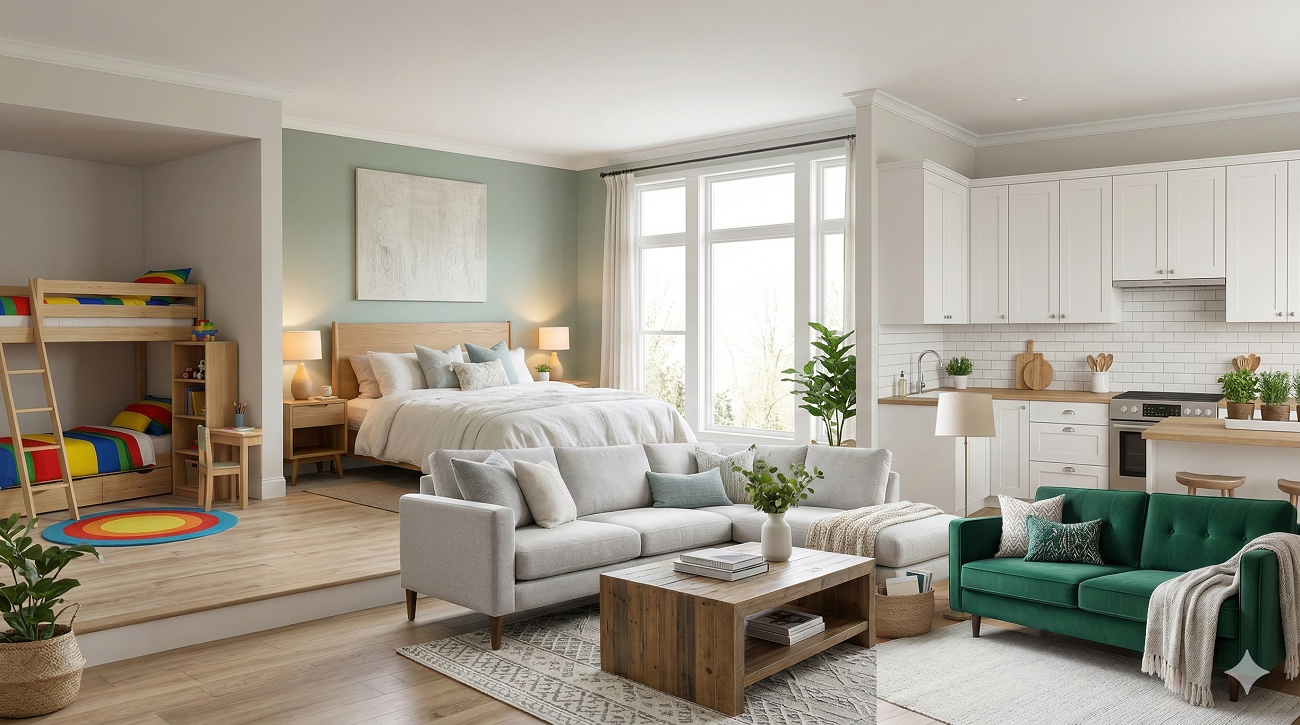
Maximizing Style & Space: The Ultimate Guide to Single Beds
The single bed, often underestimated, is a powerhouse of versatility and efficiency in modern interior design. Far from being just for children’s rooms, it’s a smart solution for guest rooms, studio apartments, or even creating a cozy reading nook. This guide cuts through the noise to deliver practical advice on selecting, styling, and optimizing single beds to enhance any space, ensuring both comfort and aesthetic appeal without compromising on functionality. Discover how a single bed can be a cornerstone of smart, stylish living.
Table of Contents
Choosing Your Perfect Single Bed: Beyond the Basics
Selecting a single bed involves more than just picking a frame; it’s about understanding your needs and the room’s potential.
- Standard Single (Twin): The most common, ideal for children, small guest rooms, or compact living. Straightforward and versatile.
- Divan Beds: These feature a solid base, often with integrated drawers, offering discreet and substantial storage. Excellent for maximizing floor space in smaller rooms.
- Storage Beds: Go beyond divans with frames designed specifically for storage, including hydraulic lift-up mechanisms revealing vast under-bed compartments, or built-in shelving in headboards. Perfect for decluttering.
- Daybeds: A fantastic multi-functional option, converting from a bed to a sofa or seating area. Ideal for living rooms, home offices, or guest rooms that double as common areas. Look for designs that support both mattress types and offer comfortable backrests.
- Trundle Beds: A clever solution for sleepovers or occasional guests, featuring a second bed neatly tucked underneath the main frame. Easily pulls out when needed, saving space when not in use.
- Loft Beds (Bunk Beds without the bottom): Elevate the sleeping area, freeing up significant floor space below for a desk, seating, or play area. A game-changer for very small rooms or maximizing utility in a child’s bedroom.
Consider materials: solid wood offers durability and classic appeal, metal frames provide a contemporary or industrial edge, while upholstered beds add softness, color, and a touch of luxury. Evaluate the room’s existing decor and your functional requirements before making a choice.
Smart Design & Space-Saving Solutions for Single Beds
Optimizing a single bed’s placement and surrounding elements can transform a room from cramped to comfortable and functional.
- Strategic Placement: In smaller rooms, position the bed against a wall to maximize open floor space. If the room allows, placing it centrally can create a focal point, but often against the longest wall is more practical. Avoid blocking natural light or main pathways.
- Vertical Storage: This is crucial. If a loft bed isn’t an option, utilize wall-mounted shelving above the bed for books or decor. Floating nightstands save floor space compared to traditional bedside tables.
- Integrated Storage: As mentioned, storage beds are invaluable. If your frame lacks built-in options, invest in under-bed storage boxes or drawers that fit neatly. Choose ones with wheels for easy access.
- Multi-functional Furniture: Pair your single bed with items that serve dual purposes. A daybed with throw pillows transforms into a sofa. A small desk can double as a nightstand. Ottomans with storage can provide both seating and hidden space.
- Mirrors: Strategically placed mirrors can visually expand a small room, making it feel larger and brighter. Position one opposite a window or a light source.
- Color Palette: Light, neutral colors on walls and bedding can make a room feel more open and airy. Use pops of color through accessories rather than dominant features.

Elevating Single Bed Style: Decor & Aesthetics
A single bed can be a canvas for personal expression. Thoughtful decor choices can make it a stylish focal point rather than just a sleeping surface.
- Bedding as a Statement: Don’t underestimate the power of bedding. Choose high-quality linens in colors and patterns that complement your room’s theme. Layers of duvets, blankets, and throw pillows add texture, depth, and coziness. A crisp white duvet can be elegant, while a vibrant pattern can inject personality.
- The Headboard Effect: The headboard is often the most prominent feature of a bed.
- Upholstered Headboards: Offer comfort and a touch of luxury, available in various fabrics and colors.
- Wooden/Metal Headboards: Can provide a clean, minimalist, or rustic aesthetic.
- DIY or Wall-Mounted Headboards: Consider a statement wall panel, a fabric tapestry, or even painted geometric shapes directly on the wall behind the bed for a custom look.
- Lighting Ambiance: Beyond overhead lighting, incorporate task and ambient lighting. A stylish wall sconce or a small table lamp on a floating shelf provides direct light for reading without cluttering a nightstand. Fairy lights or LED strips can add a soft, inviting glow.
- Accessorize Thoughtfully: A single bed doesn’t need much, but key accessories make a difference. A small, plush rug beside the bed adds warmth. Wall art above the headboard can tie the room’s design together. A strategically placed plant introduces life and freshness.
- Theme and Cohesion: Ensure your bedding, headboard, and accessories work together to create a cohesive theme. Whether it’s minimalist Scandinavian, bohemian chic, or classic contemporary, consistency elevates the overall aesthetic.

Buying Guide & Essential Maintenance Tips
Investing in a single bed should be a well-informed decision, followed by simple care to ensure longevity.
- Budgeting Smartly: Single beds come in a vast price range. Define your budget early. Remember, a good mattress is as important as the frame for comfort and support. Prioritize quality for items that directly impact sleep and durability.
- Mattress Selection: Don’t overlook the mattress. Consider firmness (soft, medium, firm) based on your sleeping preferences and any back support needs. Materials like memory foam, innerspring, or hybrid each offer distinct benefits. Test mattresses if possible.
- Assembly & Delivery: Check if the bed requires self-assembly or if professional assembly is included/offered. Factor in delivery times and costs. Ensure the bed can fit through doorways and stairwells, especially for larger or pre-assembled frames.
- Material Care:
- Wooden Frames: Dust regularly with a soft cloth. For spills, wipe immediately with a damp cloth and mild soap, then dry. Avoid harsh chemicals.
- Metal Frames: Wipe with a damp cloth. Check screws and bolts periodically to ensure they remain tight.
- Upholstered Beds: Vacuum regularly to prevent dust buildup. Spot clean spills immediately with a fabric-appropriate cleaner. For deeper cleaning, professional services might be needed.
- Bedding Maintenance: Follow care labels for all linens. Regular washing and airing of mattresses (if possible) and bedding contribute to a hygienic sleeping environment and extend their lifespan. Use mattress protectors to guard against spills and allergens.
The single bed, far from being a simple furniture piece, is a cornerstone of smart, adaptable living. By thoughtfully considering its type, optimizing its placement for space, and styling it with intention, you can transform any room into a highly functional and aesthetically pleasing environment. Embrace these practical insights to select, design, and maintain a single bed that not only meets your needs but also elevates your home’s overall comfort and style.