
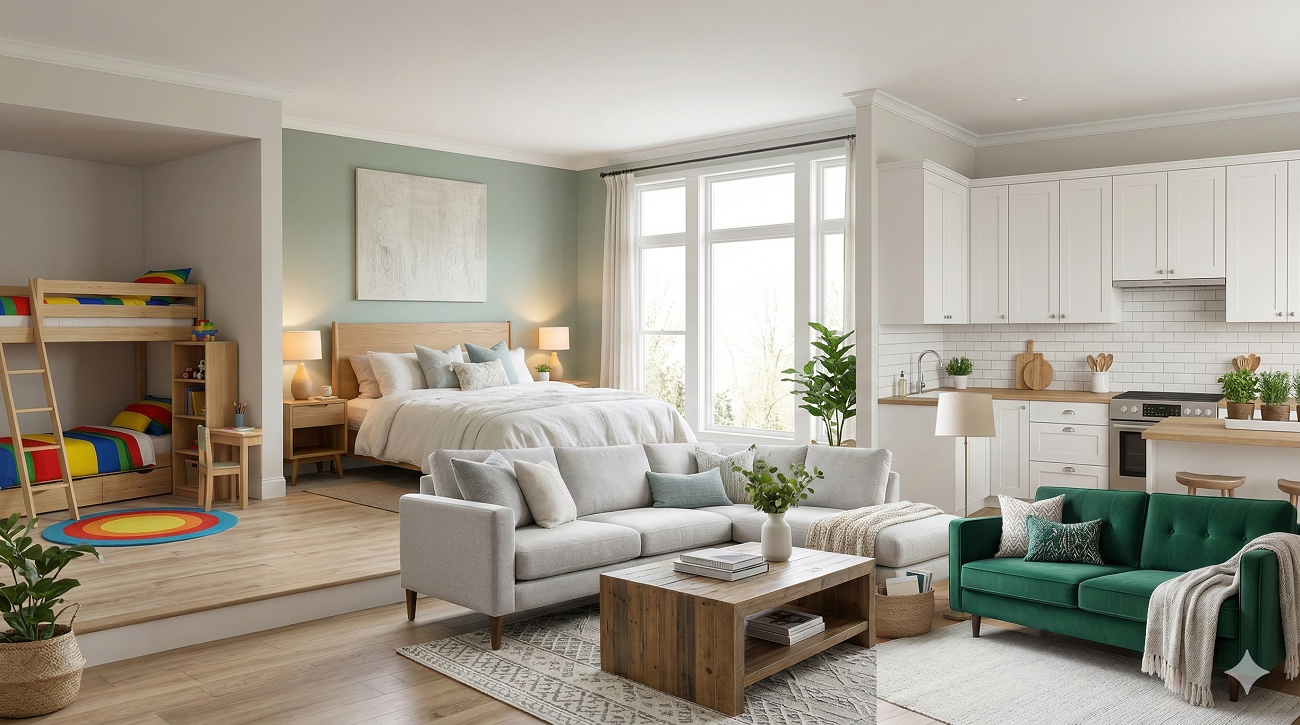
Modern Living Room Furniture: Your Essential Guide to Style, Comfort, and Function
The living room is often the heart of a home – a space for relaxation, entertainment, and cherished moments with family and friends. The right living room furniture doesn’t just fill a space; it defines it, dictating comfort, functionality, and aesthetic appeal. Choosing pieces that align with your lifestyle and design preferences can transform an ordinary room into an extraordinary sanctuary. This guide cuts through the clutter, offering practical, modern insights into selecting, arranging, and styling your living room furniture to create a space that’s both beautiful and truly livable.
Table of Contents
Essential Living Room Furniture Pieces & Modern Alternatives
Building a functional and stylish living room starts with understanding the core furniture pieces and exploring their contemporary iterations:
-
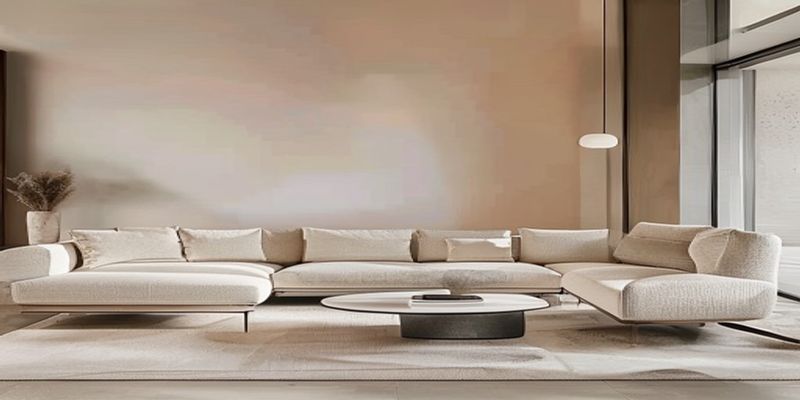
Sofas & Sectionals: The Foundation of Comfort. The sofa is typically the largest and most central piece. Modern sofas often feature clean lines, low profiles, and durable, easy-to-clean performance fabrics. Sectionals offer unparalleled versatility, allowing you to configure seating to fit your space and needs, from L-shaped designs perfect for corner spaces to modular units that can be rearranged. Consider options with built-in recliners for ultimate relaxation or hidden storage for blankets and remotes.
-
Coffee Tables: More Than Just a Surface. Beyond holding drinks, a modern coffee table can be a focal point. Look for designs with integrated storage, lift-tops for laptop use, or nesting tables that offer flexible surface area when needed and tuck away neatly. Materials like glass, metal, concrete, or light-toned wood elevate the contemporary look.
-
Accent Chairs: Adding Style and Seating. Don’t underestimate the power of an accent chair. These pieces add extra seating without overwhelming the space and are perfect for introducing contrasting colors, textures, or unique shapes. Swivel chairs, sculptural armchairs, or minimalist upholstered designs can serve as functional art.
-
Media Consoles & TV Stands: Smart Storage Solutions. Modern media consoles go beyond simply holding a TV. They integrate cable management, offer closed storage for electronics and media, and often feature floating designs or sleek, minimalist profiles that blend seamlessly into the decor. Look for pieces that complement your overall aesthetic, whether it’s Scandinavian simplicity or industrial chic.
-
Shelving & Storage Units: Maximizing Vertical Space. Wall-mounted shelving, built-in units, or elegant display cabinets are crucial for organization and personalization. Modern options often feature open and closed compartments, allowing you to display decor while concealing clutter. Modular systems offer flexibility to grow with your needs.
How to Choose Living Room Furniture: A Practical Buying Guide
Making informed decisions ensures your furniture investment pays off in both style and functionality:
-
Measure Your Space, Always. This is the most critical step. Measure the room’s dimensions, doorways, and any architectural features. Use painter’s tape on the floor to visualize furniture placement and ensure adequate traffic flow. A common mistake is buying pieces that are too large or too small for the room, disrupting balance and comfort.
-
Define Your Aesthetic. Before shopping, establish your desired style. Are you drawn to the clean lines of modern minimalism, the warmth of Scandinavian design, the raw elements of industrial, or the eclectic charm of bohemian? Consistency in style creates a cohesive and harmonious look. Browse inspiration online to create a mood board.
-
Prioritize Functionality. How do you primarily use your living room? Is it a high-traffic family hub, a quiet reading nook, or an entertainment zone? Your furniture choices should reflect these needs. If you frequently host, ample and comfortable seating is paramount. If movie nights are common, a comfortable sectional and practical media storage are key.
-
Material Matters for Durability and Maintenance. The materials you choose impact both the look and longevity of your furniture. For upholstery, consider performance fabrics like polyester blends or microfiber for high durability and stain resistance, especially with kids or pets. Natural materials like linen or cotton offer a different aesthetic but may require more care. For tables and consoles, assess wood types, metal finishes, and glass quality for their resilience and maintenance requirements.
-
Budget Smartly. Allocate your budget wisely. It’s often beneficial to invest more in high-use, foundational pieces like your sofa, which will endure daily wear. You can then save on accent pieces or decor items, which are easier and less expensive to update over time. Look for sales, consider floor models, and prioritize quality over quantity.

Mastering Your Living Room Layout & Decor
Once you’ve selected your furniture, arranging it effectively and adding finishing touches brings the room to life:
-
Anchor with Your Sofa. Begin by placing your largest piece, usually the sofa, in a prominent position. This often means against the longest wall or facing a key architectural feature like a fireplace or window. All other furniture will then be arranged in relation to this anchor.
-
Ensure Clear Traffic Flow. Always maintain clear pathways between furniture pieces. You should be able to move freely without bumping into obstacles. Aim for at least 18-24 inches of clearance around major pieces and between seating and coffee tables.
-
Balance and Proportion. Avoid overcrowding the room, but also ensure it doesn’t feel empty. Mix furniture of different heights and sizes to create visual interest. For instance, a tall floor lamp next to a low-slung sofa adds dynamic balance. Ensure pieces are proportionate to each other and the room’s scale.
-
Layer with Color and Texture. Your furniture choices contribute significantly to the room’s overall color palette. Introduce texture through upholstery fabrics (velvet, boucle, linen), wood finishes, and metal accents. Layering textures adds depth and warmth, making the space feel more inviting and luxurious.
-
Integrate Lighting. Lamps are not just functional; they are crucial decor elements. Floor lamps, table lamps, and wall sconces provide ambient, task, and accent lighting, creating different moods and highlighting specific areas. Ensure lighting is strategically placed to illuminate seating areas and create a cozy atmosphere.
-
Rugs as Zone Markers. An area rug can define a conversation area, add warmth, and introduce color or pattern. Ensure the rug is large enough for at least the front legs of all main seating pieces to rest on it, visually grounding the furniture.
Choosing and arranging living room furniture is an art that blends practicality with personal expression. By focusing on modern designs, understanding your space, and prioritizing functionality, you can create a living room that is not only visually stunning but also incredibly comfortable and perfectly suited to your life. Embrace these guidelines to design a living room that truly feels like home.