
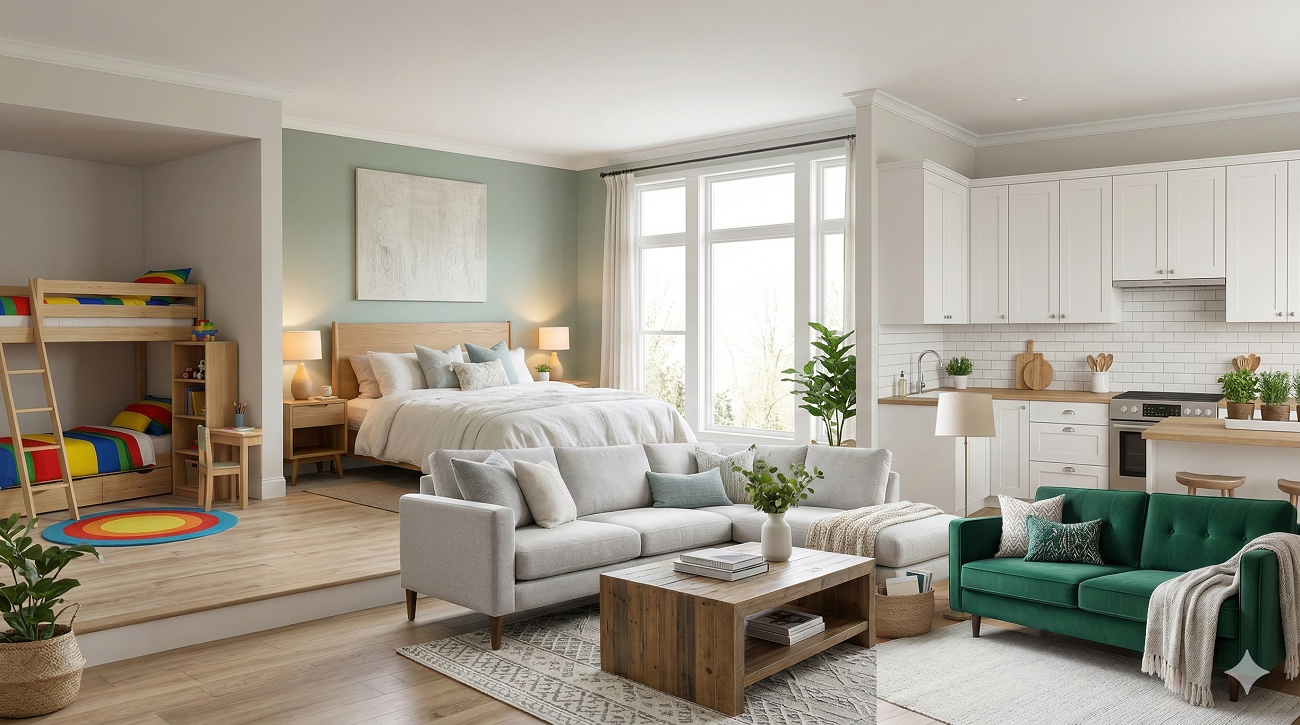
The Ultimate Guide to Toddler Beds: Style, Safety, and Smart Decor for Sweet Dreams
Transitioning your little one from a crib to a toddler bed is a significant milestone, marking their journey towards independence. This isn’t just about a new piece of furniture; it’s about creating a safe, comfortable, and stimulating environment that encourages restful sleep and imaginative play. As expert interior designers and SEO content writers, we understand the importance of making informed choices. This guide cuts through the noise, offering practical, modern insights into selecting and styling the perfect toddler bed that blends seamlessly with your home’s aesthetic while prioritizing your child’s well-being.
Table of Contents
Choosing the Right Toddler Bed: Style and Functionality
The market offers a diverse range of toddler beds, each with unique features and design philosophies. Your choice should balance aesthetics with practicality and your child’s developmental stage. Modern trends lean towards minimalist, Scandinavian, and contemporary designs that offer clean lines and versatile appeal.
- Convertible Cribs: Many cribs are designed to convert into toddler beds, offering longevity and cost-effectiveness. These often feature removable front rails and sometimes include a conversion kit. Ensure the conversion process is straightforward and maintains structural integrity.
- Standalone Toddler Beds: These beds are purpose-built for toddlers, typically low to the ground, making them easy for children to access independently. Look for designs that incorporate guardrails directly into the frame for a cohesive, modern look. Materials like solid wood (birch, pine, maple) or eco-friendly MDF with non-toxic finishes are popular choices.
- Floor Beds (Montessori Inspired): Gaining popularity, floor beds are essentially mattresses placed directly on the floor or on a very low platform. They promote independence and freedom of movement, aligning with Montessori principles. For a modern aesthetic, choose a simple wooden frame that elevates the mattress just slightly, preventing direct contact with the floor while maintaining a low profile.
Consider beds with integrated storage drawers underneath for toys or extra bedding, a smart solution for maximizing space in smaller rooms. Opt for neutral colors or natural wood finishes that can adapt as your child’s preferences evolve.

Essential Safety Considerations and Setup Tips
Safety is paramount when selecting and setting up a toddler bed. A beautiful bed is only truly valuable if it provides a secure environment for your child.
- Certifications and Standards: Always look for beds that meet current safety standards from organizations like the Juvenile Products Manufacturers Association (JPMA) and ASTM International. These certifications ensure the bed has undergone rigorous testing for structural integrity, lead content, and other potential hazards.
- Mattress Fit: The mattress must fit snugly within the bed frame, with no gaps larger than two fingers. Gaps can pose entrapment hazards. Most toddler beds use a standard crib mattress size (approximately 52 inches long by 27.5 inches wide).
- Guardrails: Essential for preventing falls, guardrails should be sturdy and securely attached. Some beds have built-in guardrails, while others allow for optional attachments. Ensure the guardrail height is sufficient to prevent your child from rolling out but low enough for them to climb in and out safely.
- Placement: Position the toddler bed away from windows, blinds, and curtain cords to eliminate strangulation risks. Avoid placing it directly next to heat sources, lamps, or wall decorations that could fall. Ensure there’s ample clear space around the bed for safe play and movement.
- Room Child-Proofing: Beyond the bed itself, child-proof the entire room. Secure heavy furniture to walls, cover electrical outlets, and ensure cords are out of reach. Remove any small objects that could be choking hazards.
Decorating for Comfort, Creativity, and Sleep
The toddler bed is the centerpiece, but the surrounding decor transforms the room into a sanctuary for sleep and imaginative exploration. Focus on creating a cohesive, calming, yet inspiring space.
- Color Palette: Opt for calming colors like soft blues, greens, grays, or warm neutrals. These hues promote relaxation and are conducive to sleep. Introduce pops of brighter color through bedding, artwork, or decorative accessories rather than overwhelming wall colors.
- Lighting: A combination of ambient, task, and night lighting is ideal. Install dimmer switches for overhead lights to adjust brightness. A gentle nightlight can provide comfort without disrupting sleep cycles. Blackout curtains or blinds are crucial for blocking out external light, especially during naps.
- Bedding: Choose soft, breathable, and durable bedding made from natural fibers like organic cotton. Select patterns and colors that complement the room’s overall theme without being overly stimulating. Avoid loose blankets, pillows, or bumper pads for children under two years old.
- Storage Solutions: Maintain an organized space to reduce clutter, which can hinder relaxation. Use low, accessible bookshelves for books, and stylish bins or baskets for toys. Wall-mounted shelving can also add vertical storage without taking up floor space.
- Personal Touches: Incorporate elements that reflect your child’s personality and interests, such as framed artwork, family photos, or a favorite plush toy. Keep decor simple and age-appropriate to prevent overstimulation. A cozy rug can add warmth and define the play area.

By thoughtfully considering style, prioritizing safety, and designing a nurturing environment, you can create a toddler room that supports your child’s growth, encourages sweet dreams, and serves as a beautiful extension of your home. A well-chosen toddler bed is more than furniture; it’s an investment in your child’s comfort and confidence.