
Maximize Your Space: The Essential Guide to Extendable Dining Tables
In an era where living spaces are often at a premium, intelligent furniture choices are paramount. The extendable dining table stands out as a quintessential piece for modern homes, offering unparalleled versatility without compromising on style. It’s not just a table; it’s a dynamic solution designed to adapt to your ever-changing needs, seamlessly transitioning from an intimate family meal setting to a grand gathering space for entertaining.
Table of Contents
Why an Extendable Dining Table is Your Smartest Space Solution
Modern living demands furniture that works harder, not just looks good. An extendable dining table epitomizes this principle by solving one of the most common dilemmas: how to accommodate guests without a dedicated large dining room. For daily use, a compact table saves precious floor space, making your home feel more open and functional. When holidays, dinner parties, or family celebrations roll around, the table effortlessly expands, providing ample seating without the need for additional, bulky furniture pieces.
This adaptability is crucial for apartments, open-plan living areas, or any home where square footage is a consideration. It allows you to maintain a minimalist aesthetic for everyday life while possessing the capacity for grand entertaining. The investment in an extendable table is an investment in efficiency, flexibility, and a smarter approach to home design.
Choosing Your Perfect Extendable Dining Table: A Practical Buying Guide
Selecting the right extendable dining table involves more than just aesthetics; it requires understanding mechanisms, materials, and how the table will integrate into your lifestyle and space.
Understanding Extension Mechanisms:
- Butterfly Leaf: Leaves fold inwards and store neatly within the table frame, making expansion and contraction very smooth and self-contained. Ideal for a clean look and easy operation.
- Drop-Leaf: Sections on either side of the table can be folded down, often supported by hinged legs. Excellent for very small spaces, offering maximum flexibility in size.
- Pull-Out/Drawer Leaf: Leaves are stored underneath the tabletop and slide out from the ends or sides. These are generally easy to operate and offer a sturdy extension.
- Removable/Self-Storing Leaves: Leaves are added to the center or ends of the table. Self-storing options mean the leaves are housed within the table structure; otherwise, they require separate storage.
Materials and Durability:
- Solid Wood: Offers timeless beauty, robustness, and longevity. Requires regular maintenance but develops a rich patina over time. Oak, walnut, and teak are popular choices.
- Wood Veneer: Provides the look of solid wood at a more accessible price point. Durable and often easier to maintain, but can be susceptible to moisture damage if not properly sealed.
- Glass: Creates a light, airy feel and can make a room appear larger. Modern glass tables often feature tempered glass for safety and durability. Paired with metal or wood bases for contemporary appeal.
- Metal: Often used for bases (steel, iron) or entire tabletops, offering an industrial or modern edge. Highly durable and low maintenance.
- Ceramic/Stone: Increasingly popular for its scratch, heat, and stain resistance. Offers a luxurious, high-end finish that is incredibly practical for busy households.
Shape and Style Considerations:
Rectangular tables are the most common, offering maximum seating and fitting well in most dining spaces. Round or oval tables promote conversation and soften a room’s aesthetic, ideal for smaller or square rooms. Consider modern, minimalist designs for a clean look, or industrial styles with metal accents for a bolder statement. Scandinavian designs emphasize light woods and simple lines, perfect for bright, airy interiors.
Always measure your space carefully, both with the table collapsed and fully extended, ensuring adequate clearance for chairs and comfortable movement around the table.

Styling Your Extendable Dining Table: Design Tips for Every Home
Integrating your extendable dining table into your home’s decor requires thoughtful consideration to maximize its impact and functionality.
Chair Pairing:
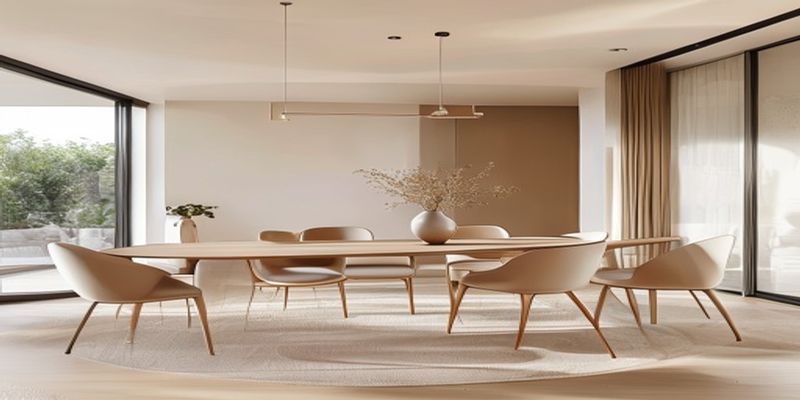
The chairs you choose are as important as the table itself. For a cohesive look, select chairs that complement the table’s material and style. Modern tables often pair well with upholstered chairs for comfort, sleek metal chairs for an industrial vibe, or minimalist wooden chairs for a Scandinavian aesthetic. Ensure chairs can be comfortably tucked under the table when not in use and that you have enough matching or complementary chairs for when the table is extended.
Lighting and Ambiance:
A well-chosen lighting fixture can define your dining area. A statement pendant light or chandelier hung centrally above the table (ensuring it’s scaled appropriately for the table’s extended length) draws the eye and creates an inviting atmosphere. Dimmers are excellent for adjusting the mood from bright task lighting to soft ambient glow.
Tabletop Decor:
Keep everyday tabletop decor minimal and versatile. A simple, elegant centerpiece like a sculptural vase, a small tray with candles, or a low-profile plant works well for both compact and extended configurations. Avoid overly elaborate decor that needs constant rearrangement. For larger gatherings, runners and placemats can add texture and color without cluttering the surface.
Area Rugs:
An area rug beneath your dining table can anchor the space and add warmth. Ensure the rug is large enough to accommodate all chairs even when the table is fully extended and chairs are pulled out. A good rule of thumb is to have at least 24-30 inches of rug extending beyond the table’s edge on all sides.
An extendable dining table is more than just a piece of furniture; it’s a strategic design element that offers unparalleled versatility and smart space utilization. By carefully considering mechanisms, materials, and styling, you can select a table that not only meets your practical needs but also enhances the aesthetic appeal and functionality of your modern home for years to come.